
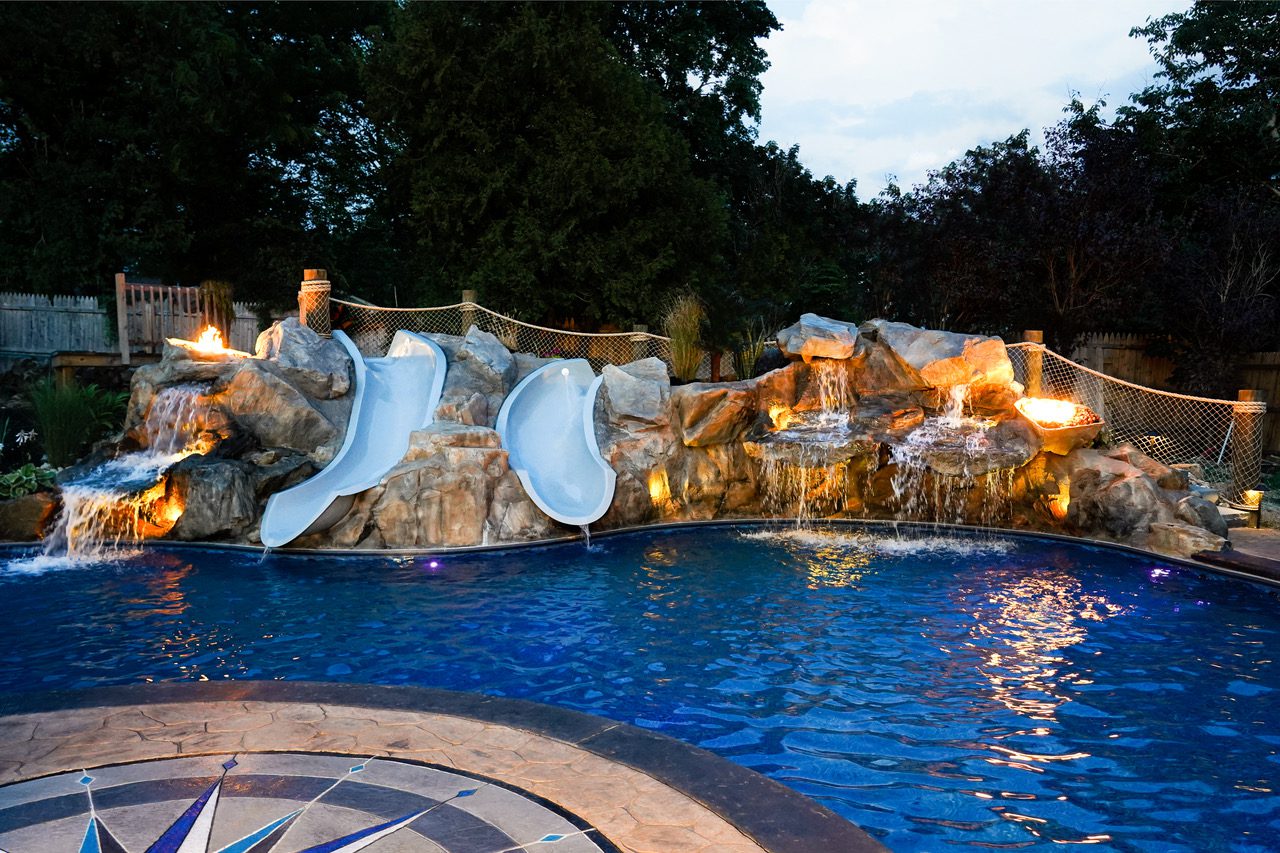
The Evolution of Outdoor Living in 2026
Homeowners across Long Island are redefining how they use their backyards in 2026. Outdoor living space design Long Island is shifting toward multifunctional layouts that combine comfort, technology, and architectural flow. Properties are no longer limited to patios and decks but now feature fully integrated outdoor environments. From coastal homes to suburban estates, modern upgrades are increasing property value and lifestyle appeal. The demand for personalization continues to shape Outdoor living space design Long Island.
Seamless Indoor-Outdoor Integration
Modern layouts are removing visual and structural barriers between interior and exterior spaces. Large sliding glass walls, covered patios, and consistent flooring materials create a natural transition outdoors. In Outdoor living space design Long Island, homeowners prioritize open-concept extensions that mirror interior finishes. This design approach allows outdoor areas to feel like an extension of the main living room or kitchen. The result is a cohesive environment built for entertaining and relaxation.
Smart Technology and Automation
Technology is playing a central role in outdoor transformations. Outdoor living space design Long Island now incorporates smart lighting, built-in audio systems, Wi-Fi connectivity, and automated pergolas. Homeowners can control ambiance, temperature, and entertainment features directly from mobile devices. Energy-efficient lighting and weather sensors improve both convenience and sustainability. In 2026, luxury outdoor living means combining comfort with intelligent innovation.
Outdoor Kitchens and Dining Experiences
Fully equipped outdoor kitchens remain one of the strongest trends this year. Outdoor living space design Long Island emphasizes built-in grills, pizza ovens, refrigeration units, and custom cabinetry designed for weather resistance. These features create restaurant-style experiences at home while increasing entertainment capacity. Dining zones are often covered or partially enclosed to extend usability through multiple seasons. Comfortable seating and high-end finishes elevate backyard gatherings.
Wellness and Relaxation Zones
Health-focused spaces are becoming a defining feature of luxury outdoor areas. Outdoor living space design Long Island now includes yoga decks, meditation gardens, plunge pools, and spa-inspired seating areas. Fire features and water elements add calming sensory experiences. These environments promote stress relief and year-round mental well-being. The trend reflects a broader shift toward creating personal retreats at home.
Sustainable and Eco-Friendly Materials
Environmental responsibility continues to influence design decisions in 2026. Outdoor living space design Long Island incorporates sustainable wood alternatives, permeable pavers, and energy-efficient outdoor appliances. Native landscaping reduces water consumption while supporting local ecosystems. Solar-powered lighting and eco-conscious construction materials are increasingly requested. Homeowners want durable spaces that align with modern environmental standards.
Climate-Responsive Design Solutions
Long Island’s seasonal climate requires strategic planning. Outdoor living space design Long Island focuses on weather-resistant materials, proper drainage systems, and wind-protected seating arrangements. Covered structures, retractable screens, and heating elements extend outdoor usability into cooler months. Durable stone and composite decking withstand freeze-thaw cycles common in the Northeast. Climate-responsive planning ensures long-term durability without compromising visual appeal.
Luxury Landscaping and Lighting Trends
Landscape architecture plays a critical role in defining outdoor spaces. Outdoor living space design Long Island often features layered greenery, privacy hedges, and strategically placed trees to create depth. LED pathway lighting and architectural uplighting enhance safety while highlighting design features. Carefully curated plant selections add seasonal color and texture. The balance of hardscape and softscape elements creates visually striking outdoor environments.
Entertainment and Multi-Functional Spaces
Backyards are increasingly designed for multiple uses. Outdoor living space design Long Island integrates lounge areas, entertainment screens, fire pits, and game zones into a single cohesive layout. Flexible furniture and modular seating allow homeowners to adapt spaces for different events. These multifunctional designs maximize square footage and usability. The trend reflects a lifestyle centered on hosting, family time, and outdoor enjoyment.
Increasing Property Value Through Design
Investing in premium outdoor spaces can significantly enhance real estate appeal. Outdoor living space design Long Island is often seen as a long-term investment that strengthens resale potential. Modern buyers prioritize move-in- ready outdoor environments that require minimal upgrades. Professionally planned layouts create strong visual impressions during showings. In competitive markets, high-quality outdoor features can set properties apart.
What are the top outdoor living trends for Long Island in 2026?
Top trends include smart automation, outdoor kitchens, wellness-focused spaces, sustainable materials, and seamless indoor-outdoor transitions.
How can I make my outdoor space usable year-round?
Incorporating covered patios, heating elements, retractable screens, and durable materials helps extend usability through all seasons.
Are outdoor kitchens worth the investment?
Yes, outdoor kitchens enhance entertainment value, improve lifestyle quality, and can increase property appeal in competitive housing markets.
What materials work best in Long Island’s climate?
Weather-resistant stone, composite decking, and freeze-resistant construction materials perform best in Northeast
seasonal conditions.
Does upgrading outdoor living space increase home value?
Well-designed outdoor areas often improve curb appeal and resale value, especially in luxury and coastal neighborhoods.
Outdoor spaces in 2026 are no longer secondary features but central components of modern home design. By integrating technology, sustainability, and wellness-driven layouts, homeowners are transforming backyards into fully functional living environments. As trends continue to evolve, thoughtful planning and climate-aware construction remain key to achieving lasting comfort and long-term value.
